On June 4, 2026, OpenAI launched Dreaming V3 — the biggest overhaul to ChatGPT's memory since the platform launched. It no longer waits for you to tell it what to remember. It figures it out on its own. Here's exactly what changed, what it means for you, and what you should know about your privacy.
The Problem It Solves
Anyone who has used ChatGPT for more than a few weeks knows the frustration. You explain your project. You mention your preferences. You describe your situation. Then, in the next conversation, you start all over again.
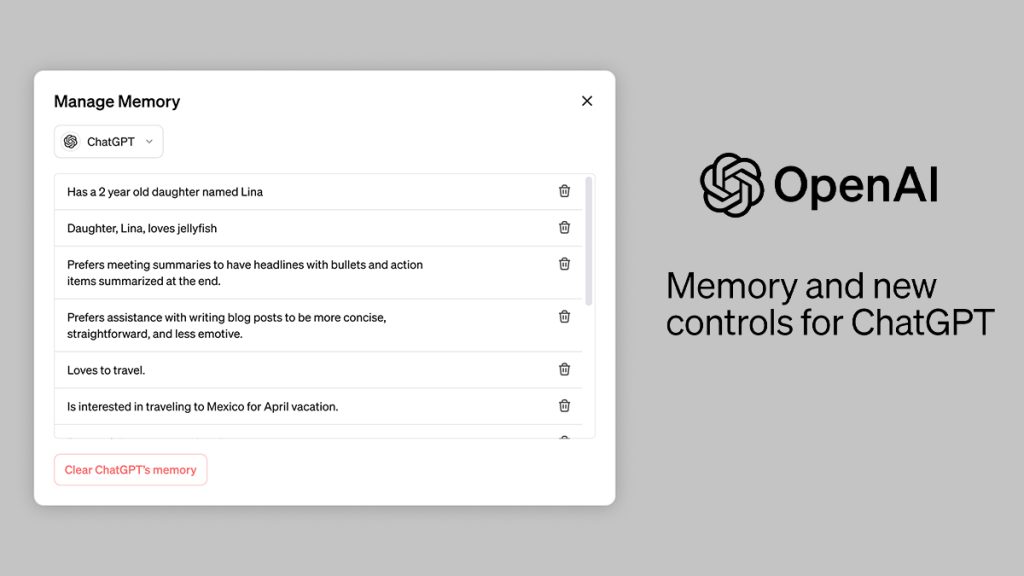
Memory was first introduced in April 2024 as "saved memories," which functioned like a digital notebook. These early memories required explicit user instructions — such as "remember I'm traveling to Singapore" — and often felt limited because the AI only retained information specifically written down. Over time, these manual notes often became stale or irrelevant. PR Newswire
Dreaming V3 is OpenAI's answer to all of that. And it is a fundamental rethink, not a minor patch.
What Is Dreaming V3 Exactly?
Dreaming V3 is an upgraded memory architecture for ChatGPT, launched on June 4, 2026. It improves how the chatbot retains context, maintains conversational continuity, and keeps past references relevant to current conversations. techradar
ChatGPT memory just changed shape. On June 4, 2026, OpenAI began rolling out Dreaming V3, a background process that synthesizes memory automatically and, for the first time, replaces the saved-memories list as ChatGPT's standalone foundation. You no longer have to tell ChatGPT what to remember — context that surfaces naturally in conversation is captured, and existing memories update themselves as time passes. Coinmonitor
Think of it this way. The old system was like a sticky note. You had to write something down or it was forgotten. Dreaming V3 is like a thoughtful colleague who pays attention, takes mental notes on their own, and updates their understanding of you as time goes by.
The Three Stages of ChatGPT Memory
OpenAI frames the evolution in three stages: 2024's "saved memories," which it likens to someone who jotted a few notes but forgot everything unwritten; 2025's first "dreaming" layer, which began curating memory automatically in the background; and now a more compute-efficient system designed to carry context forward, follow stated preferences, and stay current as time passes. Aotrading
In plain terms:
- 2024 — Saved Memories: You had to manually tell ChatGPT what to remember. Passive and often forgotten.
- 2025 — Dreaming V1: Background process began. ChatGPT could infer memories without you asking. Still limited.
- 2026 — Dreaming V3: Full architecture overhaul. Memories self-update, go stale automatically, and cover your full conversation history.
What It Actually Does Better
The upgrade builds on ChatGPT's existing dreaming mechanism, introduced in April 2025. OpenAI says the new Dreaming V3 architecture is better at carrying forward useful context, following user preferences and constraints, and staying current as time passes. For example, if you previously told ChatGPT about dietary restrictions or an upcoming trip, the assistant should be better able to recall and apply that information in future chats while also recognizing when circumstances have changed. Electronicsmedia
Here's the key detail that makes V3 different from everything before: it knows when to forget. If you told ChatGPT you were flying to Singapore in July, the old system kept "going to Singapore" as a permanent fact forever. Dreaming V3 understands that trip is over, and stops referencing it.
OpenAI reports factual recall rising from 41.5% in 2024 to 82.8% in 2026 on its own internal evaluation, with preference and time-sensitive scores in the low-to-mid 70s. That is roughly a 2x improvement in the AI's ability to actually remember and use what you have told it. Coinmonitor
Who Gets It and When?
The phased deployment started on June 4, 2026, first reaching ChatGPT Plus and Pro subscribers in the United States. The company plans to extend access to more countries, Free tier users, and enterprise customers in the coming weeks. Coin Gabbar
OpenAI told iOS and Android use