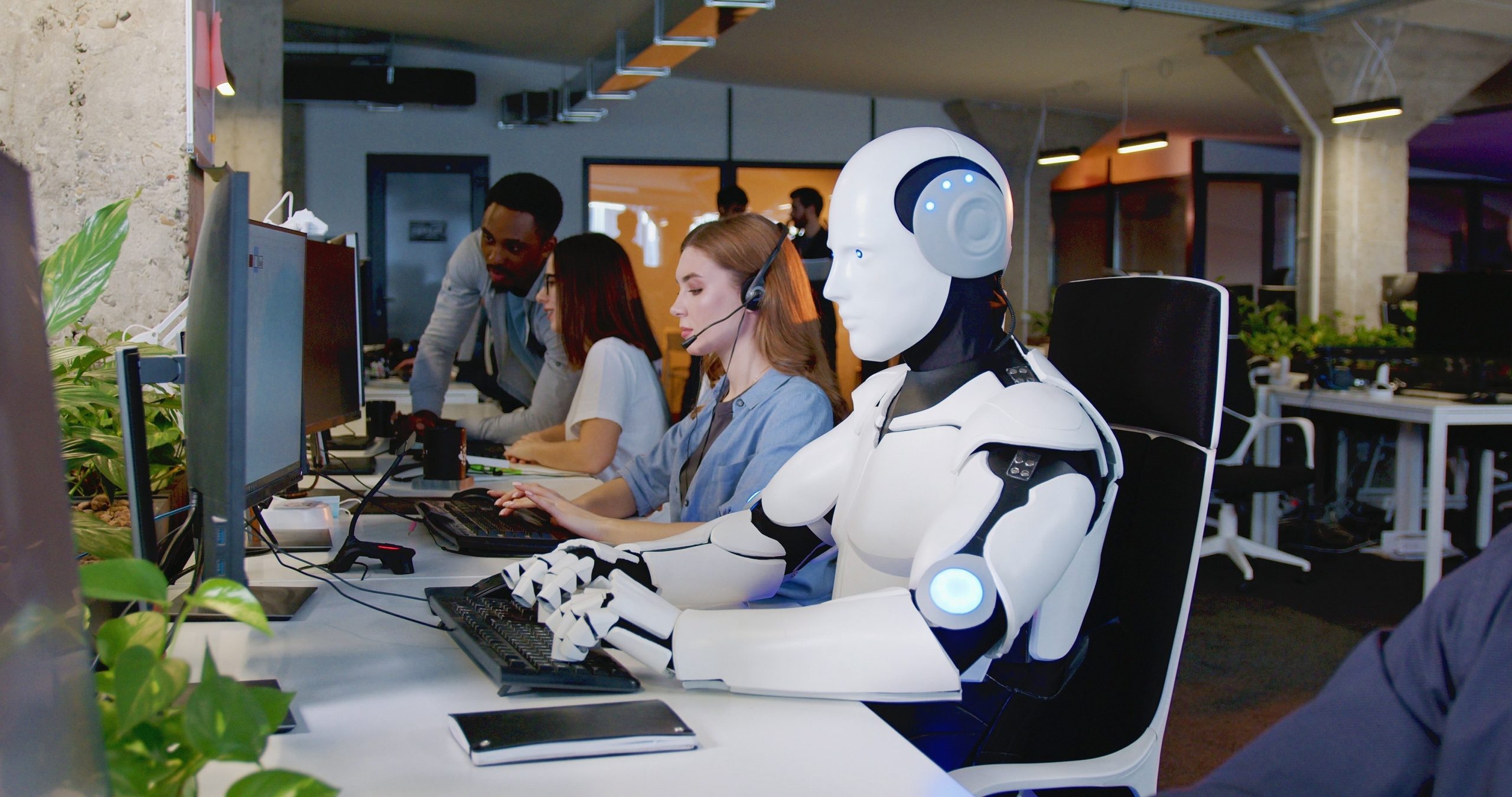
The Real Question to Ask
It's not really "will AI take my job?" — it's "how will my job evolve with AI?" That shift in perspective transforms a threat into an opportunity.
According to the World Economic Forum, AI is expected to automate around 85 million jobs globally by 2030 — but create 97 million new ones. The net balance is positive, but the transition will be real and demanding for many workers.
What AI Is Actually Replacing
AI doesn't replace people — it replaces repetitive tasks that people perform. The jobs that disappear are often replaced by roles that are more creative, more strategic, and frankly more interesting.
Think of the accountant who used to spend hours manually entering data. That task is now automated. But the accountant's role — understanding the business, advising on decisions, building client trust — is more valuable than ever.
The Most Exposed Jobs in 2026
Some sectors are already feeling the pressure of automation. Here's a quick overview:
- High exposure: Data entry, basic customer support, repetitive legal drafting, basic financial reporting
- Medium exposure: Journalism, HR screening, medical imaging analysis, translation
- Low exposure: Social work, psychology, hands-on caregiving, senior leadership, original creative work
The pattern is clear: the more a job involves empathy, judgment, and creativity, the safer it is from automation.
What AI Still Cannot Do
Despite its impressive capabilities, AI remains fundamentally limited in several critical areas. Authentic empathy, moral judgment in ambiguous situations, truly original creative thinking, and the ability to act autonomously in the physical world — these remain deeply human.
A lawyer who understands a client's pain, a nurse who reassures an elderly patient, an architect who dreams up a space that has never existed — AI can assist them, not replace them.
How to Prepare Right Now
The best protection against automation is not ignoring AI — it's learning to work alongside it. People who know how to use tools like ChatGPT, Copilot, or Gemini are simply more efficient than those who refuse to.
The skills most resistant to automation in 2026 are: critical thinking, interpersonal communication, team leadership, and the ability to quickly learn new tools.
Practical tip: Identify the 3 most repetitive tasks in your job. There is probably already an AI tool that can automate them — freeing up time for what you do best.
Bottom Line
AI transforms jobs more than it eliminates them. Those who adopt it proactively will have a decisive edge. Stay curious, stay human — and let the machines handle the boring parts.
Published on ai4u.pro — June 4, 2026 · 7 min read
